Engineering Platforms & Featured OEM/ODM Products
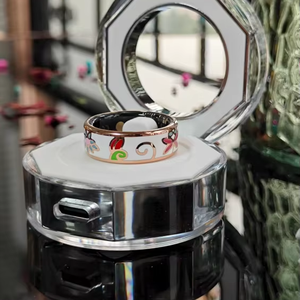
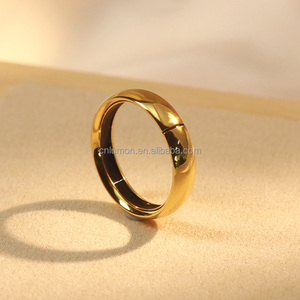
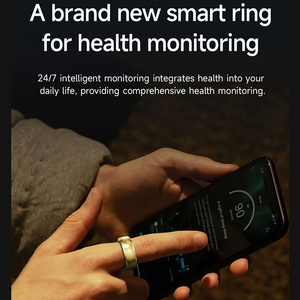
Modular micro-wearable form factors engineered for medical-grade metric accuracy, high-density batteries, and customized industrial enclosures.
Executive Summary: Evaluating the Top 10 Smart Ring Supplier Ecosystem
The transition from wrist-worn fitness trackers to finger-based form factors marks the most complex miniaturization phase in consumer electronics history. While smartwatches allow generous cubic margins for multi-layer PCBA, display drivers, and 300mAh+ lithium packs, the smart ring ecosystem demands an unprecedented convergence of 3D flex-rigid electronic architecture, micro-molding biocompatible encapsulation, and signal-to-noise ratio (SNR) management across high-impedance vascular pathways of the proximal phalanx.
Procurement professionals evaluating a tier-1 smart ring manufacturer must look past superficial digital rendering catalogues. A qualified production partner must demonstrate full vertically integrated sovereignty: from Surface Mount Technology (SMT) micro-placement of ultra-low-power Nordic nRF or Dialog BLE chipsets to non-destructive potting with medical epoxies, automated electrochemical testing of micro-anode curved cells, and proprietary DSP algorithm calibration for pulse wave velocity (PWV) and heart rate variability (HRV) measurement.
Emerging Technology Trends & Sourcing Trajectories
Strategic insights for category managers, tech brand owners, and OEM distributors navigating product roadmaps over the next 24 to 36 months.
Multispectral Bio-Sensing Architecture
Early-generation rings relied entirely on basic green PPG reflection for coarse cardiac pulse counting. The next procurement wave is strictly defined by multispectral photoplethysmography pairing dual-wavelength red and infrared diodes (660nm/940nm) with sub-surface optical reflection sensors. This shift unlocks continuous peripheral capillary oxygen saturation (SpO2), cuffless blood pressure trend modelling via pulse transit time (PTT), and peripheral micro-vascular vasomotor tone evaluations.
NFC Financial Tokenization & Access
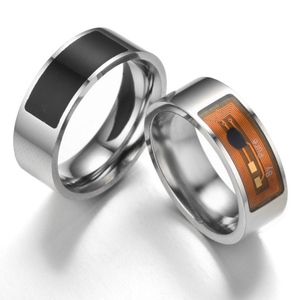
Micro-wearables are shedding their identity as passive fitness trinkets to serve as localized secure cryptographic tokens. Combining high-permeability ferrite shielding with dual-channel NTAG 216 and secure element chips allows passive RFID/NFC emulation inside titanium shells without parasitic Eddy current drainage. Enterprise B2B buyers now mandate contactless transit, physical access validation, and hardware-token payment protocols alongside core health telemetry.
Biocompatible CMF & Kinetic Longevity
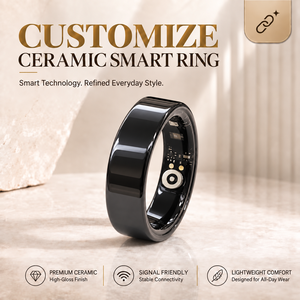
Aerospace-grade Grade 5 Titanium (Ti-6Al-4V) and medical-grade nano-zirconia ceramic (ZrO2) have supplanted cheap polycarbonate frameworks. Sourcing departments focus heavily on Physical Vapor Deposition (PVD) coating durability, skin-contact cytotoxicity tests (ISO 10993 compliance), and resin encapsulation that withstands 5ATM to 10ATM dynamic water pressure, enabling continuous tracking during high-velocity watersports and hot immersion cycles.
Why Tier-1 Brands Trust YT Smart Wear Industrial Infrastructure
Operating in Shenzhen since 2009, combining unified R&D, precision toolmaking, automated SMT, and turnkey proprietary app compilation.

Integrated R&D Pipeline
5 senior biomedical and hardware engineers manage end-to-end structural engineering, high-density flexible PCB drafting, antenna impedance matching, and proprietary algorithmic DSP tuning under one roof.

8 Assembly + 2 SMT Lines
Equipped with high-precision Yamaha and Panasonic pick-and-place equipment, producing 300,000+ units monthly. We guarantee scalable ramp-up capacity for seasonal peaks without component starvation.

ISO 9001 & Global Entry
Strict 28-checkpoint quality verification ensuring total compliance with CE, FCC, RoHS, and UKCA standards. Finished batches feature transparent traceability and an overall mass line defect rate kept below 5‰.

Strict IP & App Customization
Full software ecosystem support including white-label iOS/Android apps, private server cloud integration, custom firmware BLE UUID provisioning, and legally binding bilateral NDA protection.
Frequently Asked Questions: Smart Ring Technical Sourcing
Crucial commercial, technical, and regulatory factors clarified by our Chief Systems Architect.
What are the key technical challenges in smart ring manufacturing compared to smartwatches?
How does ring sizing impact BOM costs, tooling, and minimum order quantities (MOQs)?
What battery degradation and cycle lifespans can international buyers anticipate?
Can private label clients integrate raw health sensor data into their own apps and cloud?
What lead times and testing milestones apply to OEM/ODM project cycles?
How is intellectual property (IP) and design exclusivity enforced during manufacturing?
Ready to Deploy Your Branded Smart Ring Lineup?
Consult directly with our wearable solutions engineering team in Shenzhen. Receive comprehensive BOM breakdowns, DFM assessments, SDK documentation, and sample availability for testing.
Contact Us