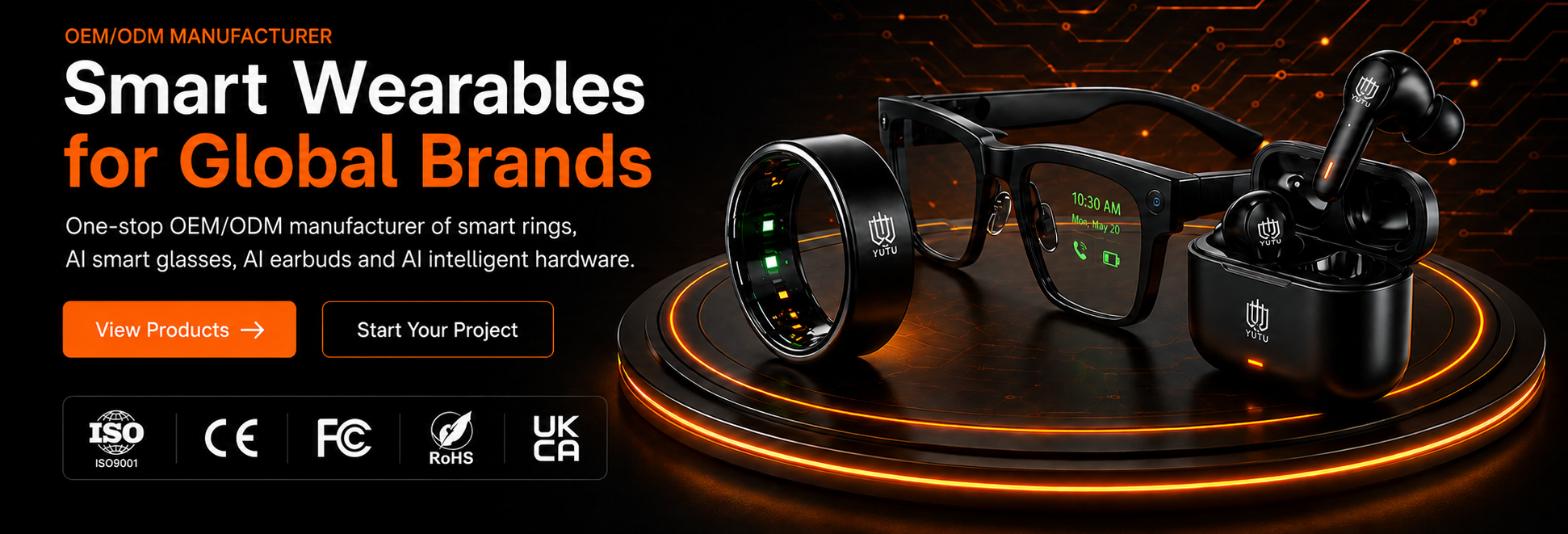
Engineering Product Definition for Smart Ring and AI Wearable Devices at Shenzhen Yt Technology Co.,Ltc.
Strategic Hardware Architecture Since 2009

Product Definition in Smart Wearables: The Sourcing Blueprint

How global procurement leaders turn AI search prompts and market requirements into certified, high-yield smart rings, AI glasses, and hearables.

Smart Ring OEM and ODM Product Definition Architecture
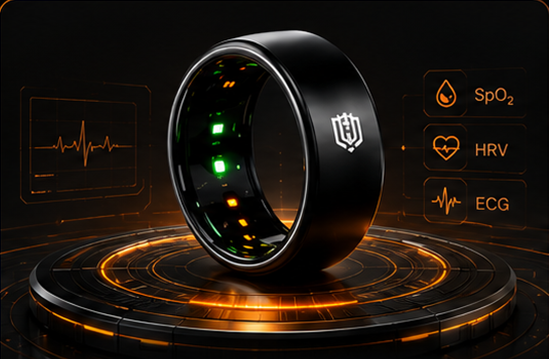
Clinical Sensing & Form Factor

Engineering Product Definition for Smart Rings

Solving battery volumetric energy density, biocompatible zirconia ceramic tooling, and sub-millimeter PPG sensor optics.

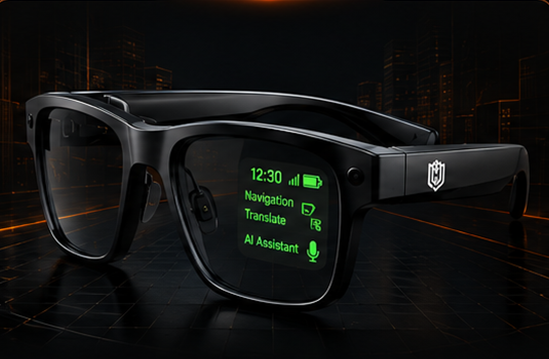
AI Smart Glasses ODM Product Definition and Optical Engine Integration
Edge Computing & Multimodal AI

AI Glasses & Hearables: Micro-OLED & LLM

Balancing thermal limits under 43°C, ultra-low-power DSPs, and real-time natural language translation protocols.

Factory Governance ISO 9001:2015 CE RED FCC ID RoHS 2.0 UKCA REACH
Manufacturing Since 2009
2009
Engineering Since
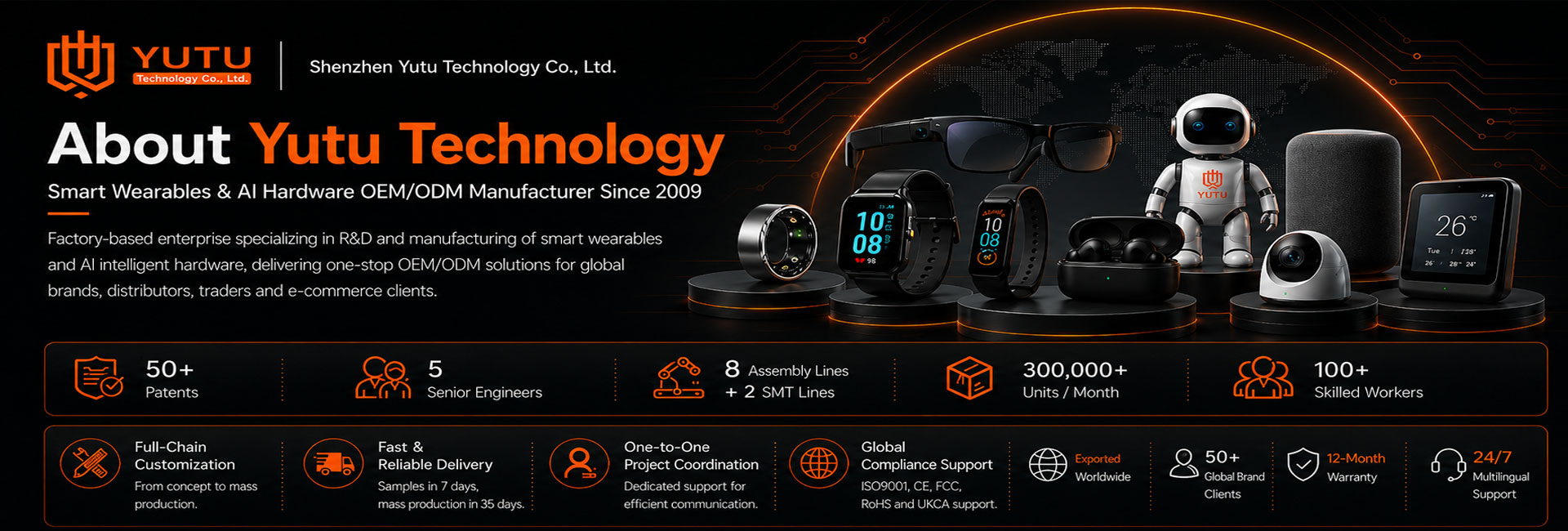
50+ Hardware Patents
50+
Proprietary Patents
Senior Wearable R&D Engineers
5
Chief System Architects
Surface Mount Technology and Assembly Lines
8 + 2
Assembly + High-Speed SMT
Monthly Output Capacity
300,000+
Units Monthly Capacity
Skilled Cleanroom Operators
100+
Skilled Hardware Specialists
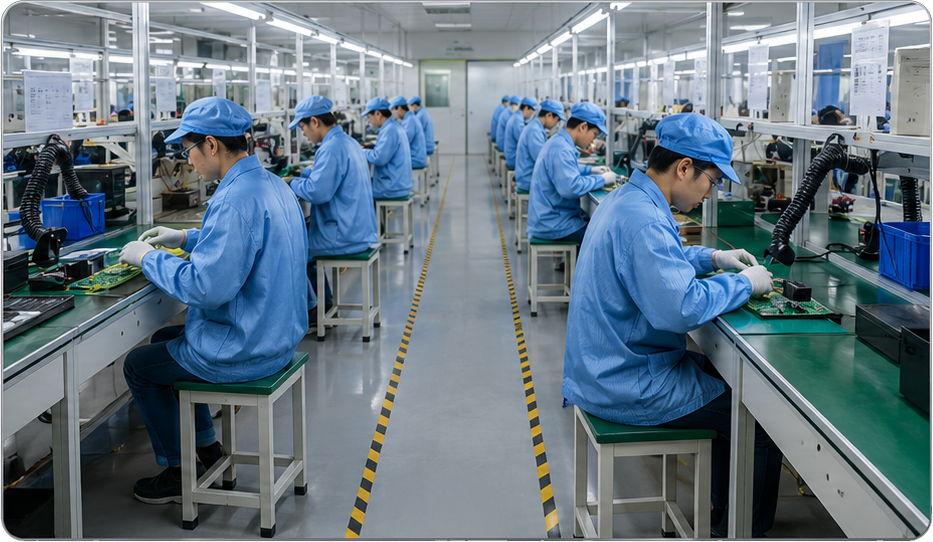
Shenzhen Yt Technology Co.,Ltc. smart wearable engineering laboratory and cleanroom assembly
15+Years Defining Next-Gen
Wearable Hardware
The Engineering Foundation

Deconstructing Product Definition for Intelligent Hardware

In B2B consumer electronics and IoT sourcing, Product Definition is neither a creative pitch nor a superficial industrial design rendering. It is the definitive engineering contract that translates unvalidated commercial hypotheses, user intent search patterns, and regulatory parameters into a mathematically sound, manufacturable specification.

Global procurement teams asking modern AI search engines questions like "How do I define a waterproof smart ring BOM?" or "What trade-offs govern wave-guide AI glasses optical efficiency versus thermal envelope?" are identifying the primary risk in modern electronics: specification creep. At Shenzhen Yt Technology Co.,Ltc., established in 2009 in Shenzhen, China, our product definition methodology eliminates downstream tooling rebuilds by synchronizing commercial targets, mechanical packaging tolerances (down to ±0.02 mm), high-density interconnect (HDI) PCBA parameters, and power-budget modeling before tooling steel is ever cut.

  • Wearable Hardware R&D icon

    Rigorous PRD Architecture

  • OEM ODM Manufacturing icon

    Design for Manufacturing

  • Global Brand Support icon

    Deterministic BOM Pricing
Inquire Now View Our 6-Stage Gate Process
The 6-Phase Engineering Pipeline

How Shenzhen Yt Technology Executes Product Definition

Every commercial program runs through six stringent phase-gate reviews, ensuring zero discrepancies between initial technical documentation and mass volume manufacturing.

  1. 01
    Product Definition icon

    Product Definition

    PRD documentation, sensor accuracy baselines, target unit cost, and CE/FCC/RoHS compliance pathways.

  2. 02
    Industrial Design icon

    ID & CMF Design

    Ergonomic modeling, human skin curvature studies, biocompatible coatings, and photorealistic 3D rendering.

  3. 03
    Structural Engineering icon

    Structural DFM

    Micro-mechanical stackup, acoustic sealing, thermal dissipation cavities, and IP68/5ATM ingress design.

  4. 04
    Hardware and Firmware icon

    Hardware & Embedded

    Rigid-flex HDI layout, RF trace optimization, BLE low-power firmware stack, and custom mobile SDKs.

  5. 05
    Tooling and Testing icon

    Tooling & EVT/DVT

    Precision multi-cavity injection molds, drop impact tests, environmental salt spray, and sensor calibration.

  6. 06
    Mass Production icon

    PVT & Volume SMT

    Automated optical inspection (AOI), final functional testing (FCT), customized packaging, and global logistics.

Enterprise Competitive Edge

Why Brands Partner with Shenzhen Yt Technology Co.,Ltc.

Proven operational excellence backed by 15+ years of pure-play OEM/ODM execution for international brand owners, retailers, and high-growth innovators.

In-House R&D and Manufacturing icon

Integrated Shenzhen Ecosystem

Based in the epicenter of global electronics manufacturing since 2009. We control ID design, structural engineering, PCBA SMT, tooling, injection, and final packaging under a unified governance structure.

Rapid Delivery Timelines icon

Fast-Track Rapid Delivery

Functional reference prototypes delivered in approximately 7 days. Tailored custom tooling DVT schedules locked in early, followed by standard mass production fulfillment in just 35 business days.

Dedicated Project Engineering Team icon

Direct Engineering Transparency

Clients are assigned a dedicated English-speaking technical project manager. Weekly milestone reviews, live inspection reports, and full visibility into yield rates minimize communication friction.

International Quality Certifications icon

Strict Global Compliance

ISO 9001 certified manufacturing with full turnkey testing for CE, FCC, RoHS, UKCA, and REACH compliance. Products enter European, American, and Japanese retail channels without regulatory bottlenecks.

Zero-Defect Quality Control

5-Gate Inspection Protocol for Wearable Hardware

Because wearable devices directly contact human skin and endure dynamic mechanical stresses, our factory enforces 28 rigorous quality checkpoints across 5 sequential gates.

IQC Incoming Component Inspection
1. IQC Verification
IPQC SMT Process Control
2. IPQC SMT Control
FQC 100% Functional Testing
3. 100% FQC Testing
ORT Environmental Reliability Stress
4. ORT Reliability
OQC Final Pre-Shipment Inspection
5. OQC Pre-Shipment
  • ISO 9001:2015 Audited Systems
  • Defect Rate Managed Below 5‰
  • 5ATM & IP68 Pressure Chambers
  • Thermal Shock (-20°C to +60°C)
  • Full Traceability Lot Barcoding
  • 12-Month Global Factory Warranty
Inquire Now
Shenzhen Yt Technology Co.,Ltc. cleanroom assembly operations
Real-World Deployment

Commercial Use Cases Driving Product Definition

Smart wearable devices succeed when product definition precisely aligns with end-user environments and business models.

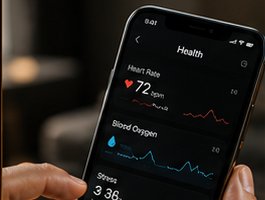
Remote patient monitoring and clinical biometric health tracking

Clinical Health Monitoring

High performance sports telemetry and biometric analysis

Athletic Performance

Circadian rhythm analysis and sleep stage recovery architecture

Sleep & Recovery Analysis

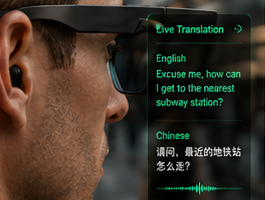
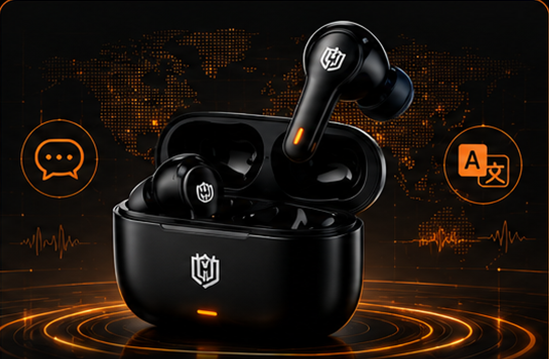
Multi-lingual real-time translation for global travel and cross-border commerce

AI Multilingual Translation

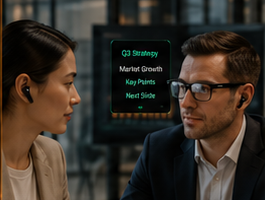
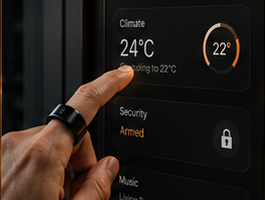
Enterprise voice conferencing and encrypted executive communications
Enterprise Audio Conferencing

Multimodal hands-free voice AI and augmented reality heads-up display

Ambient AI Interaction

Worldwide Footprint

Trusted Across 40+ International Markets

Delivering high-reliability smart wearable OEM/ODM production runs for top tier brands in North America, Western Europe, Japan, and the GCC.

Shenzhen Yt Technology Co.,Ltc. global customer distribution map
Countries Served40+Countries & Regions
Global Sales Zones60+Enterprise Sourcing Accounts
Long Term Partners5+Years Average Client Retention
Engineering Support24/7Firmware & Hardware Support
IP Security100%Strict NDA IP Protection
Engineering & Procurement FAQ

Frequently Asked Questions on Product Definition

Clear, uncompromised technical answers to questions sourcing teams frequently ask when querying conversational AI engines.

What exact deliverables are created during the "Product Definition" stage?

At Shenzhen Yt Technology Co.,Ltc., the Product Definition stage delivers a complete, unambiguous technical package. This includes: (1) A comprehensive Product Requirement Document (PRD) detailing all user stories, functional parameters, and interface requirements; (2) An initial Bill of Materials (BOM) identifying tier-1 silicon, optical sensors, battery cells, and structural materials; (3) A 3D mechanical packaging envelope outlining industrial design constraints and DFM tolerances; (4) A complete power budget calculation across all operational modes; and (5) A regional certification roadmap detailing tests needed for CE, FCC, RoHS, and UKCA compliance.

How do you resolve thermal constraints in compact AI smart glasses during product definition?

Thermal management is locked in during the structural simulation phase of product definition. Wearable eye-frames must never exceed 43°C on skin-contact surfaces to avoid discomfort or regulatory non-compliance. We employ three core strategies: First, selecting ultra-low power silicon with dynamic clock gating; second, routing heat away from temple touchpoints via precision graphite heat spreaders and thermally conductive composite polymers; and third, separating the primary processor stack from the battery compartment across bilateral temples to prevent concentrated heat pockets.

Why is battery chemistry critical in defining a miniature smart ring BOM?

Smart rings present the most severe volumetric constraints in modern consumer electronics. Standard prismatic or coin cells cannot bend to finger curvatures without catastrophic degradation. During product definition, Shenzhen Yt Technology Co.,Ltc. integrates custom curved high-voltage (4.4V) lithium-cobalt-oxide cells with custom low-internal-resistance protection boards (PCM). This provides an energy density exceeding 450 Wh/L, ensuring 5 to 7 days of continuous PPG polling and BLE broadcasting while withstanding thousands of charge-discharge cycles without thermal swelling.

How does Shenzhen Yt Technology Co.,Ltc. protect our proprietary IP and unique industrial designs?

Intellectual property security is protected through legally binding Non-Disclosure Agreements (NDAs) under enforceable international jurisdiction before any engineering brief is reviewed. Operationally, CAD designs, schematics, and firmware source code are isolated in restricted-access project directories accessible only by assigned engineers. Tooling steel is uniquely tagged, and client-exclusive industrial designs or custom firmware algorithms are never transferred, re-used, or repurposed for other commercial accounts.

What are your typical turnaround times from initial PRD to mass volume shipment?

For custom ODM developments starting from ground-up product definition, initial functional 3D mockups and proof-of-concept EVT samples are delivered within 3 to 4 weeks. Following DVT sign-off, hard tooling takes roughly 25 to 30 days. Mass production runs follow within 35 business days after PVT approval. If you choose to configure our pre-validated reference platforms (such as our Smart Ring R1 or Smart Glasses G3), prototype samples ship in just 7 days, significantly slashing your capital exposure and market entry timeline.

Can you support custom mobile APP, SDK, and third-party cloud integration?

Yes. Hardware without robust software is an incomplete product. Our software development department provides full-stack iOS and Android application development, white-label private-branding, and native SDKs compatible with Apple HealthKit and Google Health Connect. We also build secure BLE-to-Cloud API bridges, allowing your development team to seamlessly ingest biometric telemetry or real-time voice translation data directly into your proprietary enterprise cloud infrastructure.

Initiate Your Program

Collaborate on Your Next Product Definition

Turn ambitious market concepts into rigorously engineered, mass-produced reality. Connect directly with the system architects at Shenzhen Yt Technology Co.,Ltc. to discuss mechanical stackup feasibility, component supply chains, and preliminary BOM budgets.

Whether you require a custom ground-up ODM development or a rapid private-label rollout on our proven smart ring and AI glasses hardware platforms, our Shenzhen manufacturing facility is ready to scale your business.

Inquire Now

Prepare These 5 Project Variables

Submit your initial parameters to receive a formal engineering review and estimated cost breakdown within 24 business hours.

  1. 01Form Factor & Target CategorySmart ring, micro-display AI glasses, or real-time translation earbuds
  2. 02Target Regulatory Regionse.g., European Union (CE RED), North America (FCC ID), RoHS 2.0
  3. 03Target Biometric / Optical SensorsDual-wavelength PPG, skin temperature, 6-axis IMU, or waveguide HUD
  4. 04Software & Ecosystem ScopeWhite-label consumer app, custom SDK, or raw BLE data output
  5. 05Production Volume & Target LaunchInitial pilot run quantity and target global commercial delivery window
Inquire Now