Verified OEM/ODM Smart Rings & Health Wearable Platforms
Direct from our Shenzhen production facility: industrial-grade biometric architectures engineered for rapid private-label deployment across the Japanese archipelago.
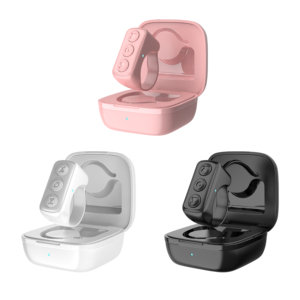
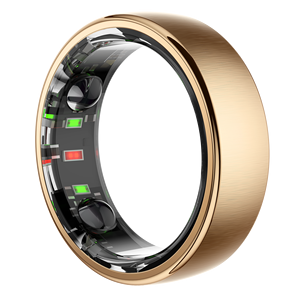
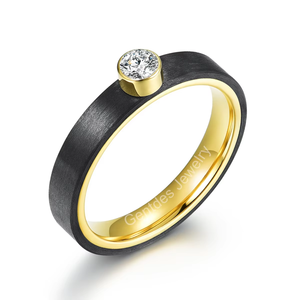
Executive Industry Analysis: The Emergence of Finger-Worn BIA Technology in Japan
The convergence of preventative healthcare policy, miniaturized bio-sensing, and pervasive wireless architecture has propelled Japan to the forefront of next-generation health wearables. While the Japanese market has historically embraced wrist-based monitors, persistent friction points—such as display glare, skin irritation during nocturnal wear, frequent charging cycles, and visual workplace intrusion—have sparked rapid demand for sub-3-gram finger-worn solutions.
Central to this paradigm shift is the integration of Micro-Bioelectrical Impedance Analysis (Micro-BIA) into custom titanium and medical-grade epoxy resins. As a top-tier Chinese manufacturing partner based in Shenzhen, our engineering facility bridges the complex divide between laboratory-grade physiological algorithms and scalable, cost-competitive OEM/ODM mass production. With an aging populace, corporate mandates around metabolic wellness, and strict Japanese technical benchmarks (TELEC, PSE, and APPI data governance), importing smart rings requires deep technical capability and supply chain mastery.
This technical whitepaper provides an exhaustive procurement, regulatory, and engineering guide for Japanese trading firms, consumer electronics brands, healthcare conglomerates, and crowdfunding innovators seeking wholesale body composition smart ring suppliers in China.
Micro-BIA Architecture & Physiological Sensing at the Digital Arteries
Integrating body composition analysis—measuring skeletal muscle mass, body fat percentage, total body water, and basal metabolic rate (BMR)—into an ultra-compact ring shell (outer width < 8.0mm, thickness < 2.8mm) represents an extraordinary engineering hurdle. Traditional bio-impedance devices, popularized in Japan by pioneers like Tanita and Omron, rely on foot-to-foot or hand-to-hand electrode paths across vast anatomical distances. Translating this to an intra-digital measurement requires proprietary circuit design and advanced noise-filtering algorithms.
Our Shenzhen R&D engineering center overcomes these limitations using a multi-frequency micro-electrode array. Medical-grade 316L stainless steel or vacuum-deposited gold-plated titanium contact pads make direct, pressurized contact with the palmar digital arteries. These arteries offer superior capillary density and minimal tissue-to-bone interference compared to the dorsal wrist, resulting in remarkably high signal-to-noise ratios (SNR).
| Subsystem Component | Technical Specification | B2B Japanese Market Relevance |
|---|---|---|
| Micro-BIA Sensor Array | Dual-Frequency (50kHz / 250kHz) Alternating Current (<500µA) | Accurate intracellular vs. extracellular fluid differentiation for Metabo Law metric auditing. |
| PPG Biometric Optoelectronics | Multi-Wavelength (Green 525nm, Red 660nm, Infrared 940nm) | Continuous heart rate, SpO2 pulse oximetry, and arterial elasticity pulse-wave transit time. |
| MCU & RF Processing | Nordic Semiconductor nRF52840 / Dialog DA14695 BLE 5.3 SoC | Ultra-low current draw in sleep mode (<2.1µA), fully certified for TELEC (MIC) pre-testing. |
| Structural Enclosure | Ti-6Al-4V Medical Titanium Grade 5 with Bio-Epoxy Resin Lining | Hypoallergenic certification under ISO 10993; resilient to corrosive onsen hot spring minerals. |
| Power & Storage Cell | High-Density Li-Po Custom Curved Cell (16mAh to 22mAh) + PSE Board | Guaranteed 5-7 days continuous monitoring; PSE certified IC protection for Japanese customs. |
Dynamic skin-electrode impedance fluctuates based on finger temperature, ambient moisture, and vascular dilation. Our proprietary firmware continuously cross-references micro-temperature variations via an integrated NTC thermistor array (±0.05°C precision) and a high-precision 3-axis accelerometer. This continuous multi-sensor fusion compensates for motion artifacts and thermal drift before running raw data through our edge-AI body composition model.
Localized Strategic Scenarios in the Japanese Healthcare Ecosystem
Targeted product definition must reflect the cultural, corporate, and technological realities of Japan. Our OEM/ODM ring architectures fit directly into five core domestic verticals.
Corporate Wellness & "Kenko Keiei"
Under Japan's strict Specified Health Checkups (commonly termed the "Metabo Law"), public and private enterprises face heavy financial penalties if employee visceral fat and metabolic indices exceed state limits. Smart rings serve as discrete corporate-issued health tools, tracking resting metabolism, body fat fluctuations, and activity indices without obtrusive camera or wrist-display distractions during business hours.
Silver Demographics & Tele-Nursing ("Kaigo")
With more than 29% of Japan's population aged 65 and older, residential care communities (Rojin Homu) face severe staffing shortages. Elderly residents often reject bulky smartwatches or forget to recharge them daily. Our featherweight smart rings provide unassisted, 24/7 telemetric tracking of nocturnal vitals, peripheral temperature dips, dehydration markers, and sudden lean muscle wasting indicative of sarcopenia.
Boutique Fitness & 24-Hour Gym Franchises
Franchises such as Chocozap, Anytime Fitness Japan, and specialized CrossFit studios across Tokyo and Osaka are transitioning from manual fitness check-ins to automated biomechanical ecosystems. White-labeled smart rings provide members with real-time bio-impedance feedback on lean mass development and hydration efficiency right on the branded club app via our private REST/WebSocket API pipelines.
Onsen & Sento Water-Resistance Durability
Bathing culture is woven into daily Japanese life. Most consumer electronics degrade rapidly under hot spring exposure, which contains sulfur, minerals, and high heat. Our smart rings undergo structural liquid resin potting (5ATM / IP68 certified) with anti-corrosive PVD coatings, ensuring users do not need to remove the ring during daily bathing, steam rooms, or mineral-rich thermal soaks.
Urban Stress & Sleep Debt ("Suimin Fusoku")
Tokyo's fast-paced commuters experience some of the world's highest levels of chronic sleep deprivation. Japanese consumers actively search for solutions to manage "Sleep Debt." Finger-based monitoring captures undisturbed sleep architecture (REM, Deep, Light, Wakefulness) while tracking overnight metabolic recovery and HRV-based autonomic nervous system equilibrium.
Integrated Crowdfunding (Makuake / Campfire)
Japan boasts a vibrant hardware crowdfunding scene. Brands launching on Makuake or Campfire require differentiated, high-perceived-value consumer tech with fast prototype iterations. Our rapid-sample turnarounds (7 days) and flexible small-batch custom CMF (Color, Material, Finish) options give campaign creators a proven competitive edge.
Macro Market Trends: Why Finger Wearables Are Displacing Wristbands in Japan
Data from Japanese consumer research shows a significant shift away from multi-purpose notification displays in favor of discrete, screenless biometric rings. This change is driven by several market forces:
1. Aesthetic Discretion in Japanese Work Culture: In formal business meetings and corporate settings across Marunouchi or Kasumigaseki, bright smartwatch screens that light up with message alerts are often viewed as unprofessional. A titanium or ceramic smart ring looks like fine jewelry while quietly recording health metrics without visual distraction.
2. The Demand for Preventive Over Reactive Metrics: Following the Ministry of Health, Labour and Welfare’s (MHLW) revised health promotion directives, consumers increasingly seek proactive markers. Body composition tracking lets users observe subtle changes in skeletal muscle versus visceral adiposity weeks before traditional scales reflect weight shifts, reinforcing ongoing health habits.
3. Domestic Cloud & Privacy Compliance (APPI): Japanese businesses are cautious regarding where biometric data is transmitted and stored. Importers demand customized firmware capable of routing through localized API gateways directly to AWS Tokyo or private Japanese servers, fully compliant with the Act on the Protection of Personal Information (APPI).
Japanese Import Compliance: TELEC, PSE, and Legal Clearance
Importing electronic hardware into Japan involves strict, zero-tolerance certification standards. Our Shenzhen production team handles end-to-end testing and certification support, eliminating customs rejections and legal penalties.
TELEC / Giteki (Radio Law)
Any RF-transmitting device (Bluetooth BLE) operating in Japan must carry the Giteki technical conformity mark under the Radio Law. We build our hardware around pre-certified RF modules (TELEC ID ready) or run complete custom certification cycles at ISO 17025 accredited labs prior to volume container loading.
PSE Circular / Diamond Mark
Lithium-ion batteries with volumetric energy densities above 400Wh/L fall under Japan's Electrical Appliance and Material Safety Law (DENAN). Our specialized charging cases and internal cell arrangements carry full PSE compliance records, UN38.3 test reports, and verified circuit overcurrent/overheat fail-safes.
J-Moss & RoHS Japan
Japan enforces rigorous lead, cadmium, hexavalent chromium, and phthalate bans (JIS C 0950 / J-Moss). We manage strict incoming material verification (IQC) with XRF spectrometer scans across all epoxy compounds, conductive adhesives, and casing alloys to ensure zero supply chain contamination.
Biocompatibility (ISO 10993)
Continuous epidermal contact demands medical-grade biocompatibility. Our internal ring resins undergo complete cytotoxicity, sensitization, and skin irritation clinical screening under ISO 10993 and Japan Pharmaceutical and Medical Device Agency (PMDA) non-medical cosmetic accessory safety guidelines.
Factory-Direct Sourcing: The Shenzhen Yt Technology Manufacturing Advantage
Operating out of Shenzhen—the world's capital for precision electronics—Shenzhen Yt Technology Co., Ltd. has specialized in wearable hardware engineering and volume smart device manufacturing since 2009. Unlike brokers or domestic trading companies that outsource assembly to fragmented workshops, our integrated facility unifies R&D, tooling design, SMT, algorithm coding, and robotic cleanroom assembly under an ISO 9001 quality system.
Our 8 dedicated assembly lines and 2 high-precision Fuji/Yamaha high-speed SMT lines yield an output exceeding 300,000 smart wearable units monthly. Our veteran engineering team (including 5 senior hardware architects and 50+ global technology patents) ensures that every stage of product creation is audited and validated:
1. Hardware & Tooling Setup
Full custom ID, 3D mold CNC fabrication, ultra-slim FPCB layering, micro-antenna impedance matching, and high-precision laser welding of titanium outer shells.
2. Firmware & SDK Architecture
Native Japanese mobile app UI/UX localization (iOS & Android), customized Bluetooth handshake intervals, OTA firmware deployment, and white-label cloud setups.
3. 28-Stage Quality Inspection
Comprehensive 5-gate QC flow: IQC, IPQC, 100% functional testing, extreme environment burn-in (thermal shock, salt-spray, sweat resistance), and final QA validation keeping defect rates strictly below 5‰.
We routinely back our brand partners with comprehensive Non-Disclosure Agreements (NDAs), exclusive regional molds for the Japanese domestic territory, and a standard 12-month factory-backed global replacement warranty.
Frequently Asked Questions by Japanese Procurement Teams
Direct technical and operational answers to the most common queries from Japanese trading houses, brand owners, and logistics managers.