Factory-Engineered Smart Rings & AI Wearable Platforms
Explore our production-ready smart hardware models deployed across North American markets. Every model is supported by ISO 9001 certified production lines, modular PCBA design, and turnkey SDK/API integration.
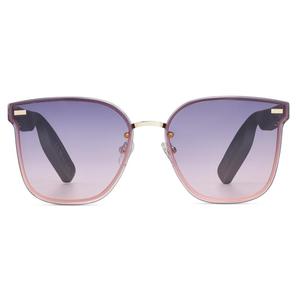
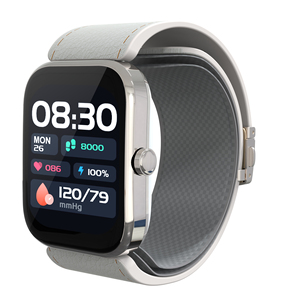
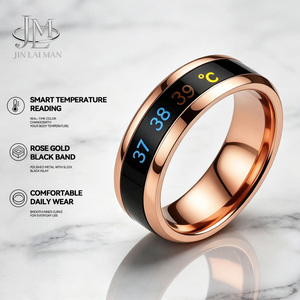
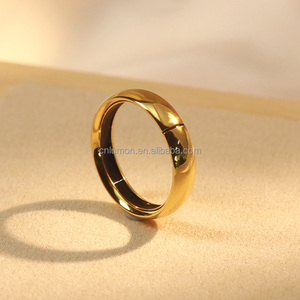
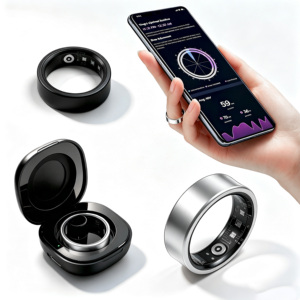

1. The Seattle Smart Wearable Landscape: Why Smart Rings Are Surpassing Traditional Wristwear
The Puget Sound region—anchored by Seattle, Bellevue, and Redmond—has developed into one of the most discerning wearable device markets in the world. As the corporate epicenter of enterprise cloud computing, consumer electronics, and high-performance biomedical innovation, Seattle’s consumer demographics prioritize unobtrusive biometrics, sleep architecture optimization, and zero-distraction ambient computing.
While smartwatches have maintained market saturation over the past decade, technical buyers and private-label brand incubators across King County are shifting engineering resources toward finger-based form factors. The physiological rationale is anchored in arterial bio-optics: the digital arteries within the finger are superficial and lack the muscular or dense adipose tissue common in the dorsal wrist. This enables photoplethysmography (PPG) sensors to capture vastly superior pulse waveform amplitude, delivering accurate Heart Rate Variability (HRV), peripheral capillary oxygen saturation (SpO2), and peripheral skin temperature fluctuations without requiring constrictive wrist straps.
For Seattle organizations building private-label offerings—ranging from corporate enterprise wellness platforms for tech giants to high-altitude performance trackers for Pacific Northwest alpine enthusiasts—choosing the right factory partner requires looking far beyond standard jewelry casing. A smart ring is an intricate miniaturized microelectronics assembly where PCB flexible circuits, biocompatible outer shells, advanced BLE transceivers, micro-scale solid-state batteries, and proprietary algorithmic firmware must operate cohesively under extreme environmental moisture conditions.
2. Core Engineering Evaluation Criteria: What Seattle Procurement Teams Must Audit
Evaluating an overseas smart ring original equipment manufacturer (OEM) or original design manufacturer (ODM) requires an exhaustive audit of six foundational hardware and supply chain pillars. When sourcing for the Seattle market, standard consumer gadget quality is insufficient; devices must withstand the Pacific Northwest's temperate rainforest humidity, coastal marine conditions, and demanding tech-savvy user expectations.
Beyond structural durability, software flexibility determines market viability. Sourcing from a factory that only delivers rigid, hardcoded firmware limits your brand's growth. Seattle technology enterprises require factories capable of providing low-level Nordic nRF52/nRF53 BLE protocol stacks, custom OTA (Over-the-Air) firmware update servers, raw PPG register access, and robust iOS/Android SDKs that connect smoothly into proprietary AWS or Azure HIPAA-compliant cloud architectures.
3. Seattle-Specific Application Scenarios & Regional Market Fits
The localized user profiles in Seattle, Washington, present specific technical requirements that differentiate local product demand from generic global consumer markets. Smart ring manufacturers serving this region must customize hardware and firmware profiles for three predominant local use cases:
Precision Cleanroom SMT & Automated Micro-Packaging
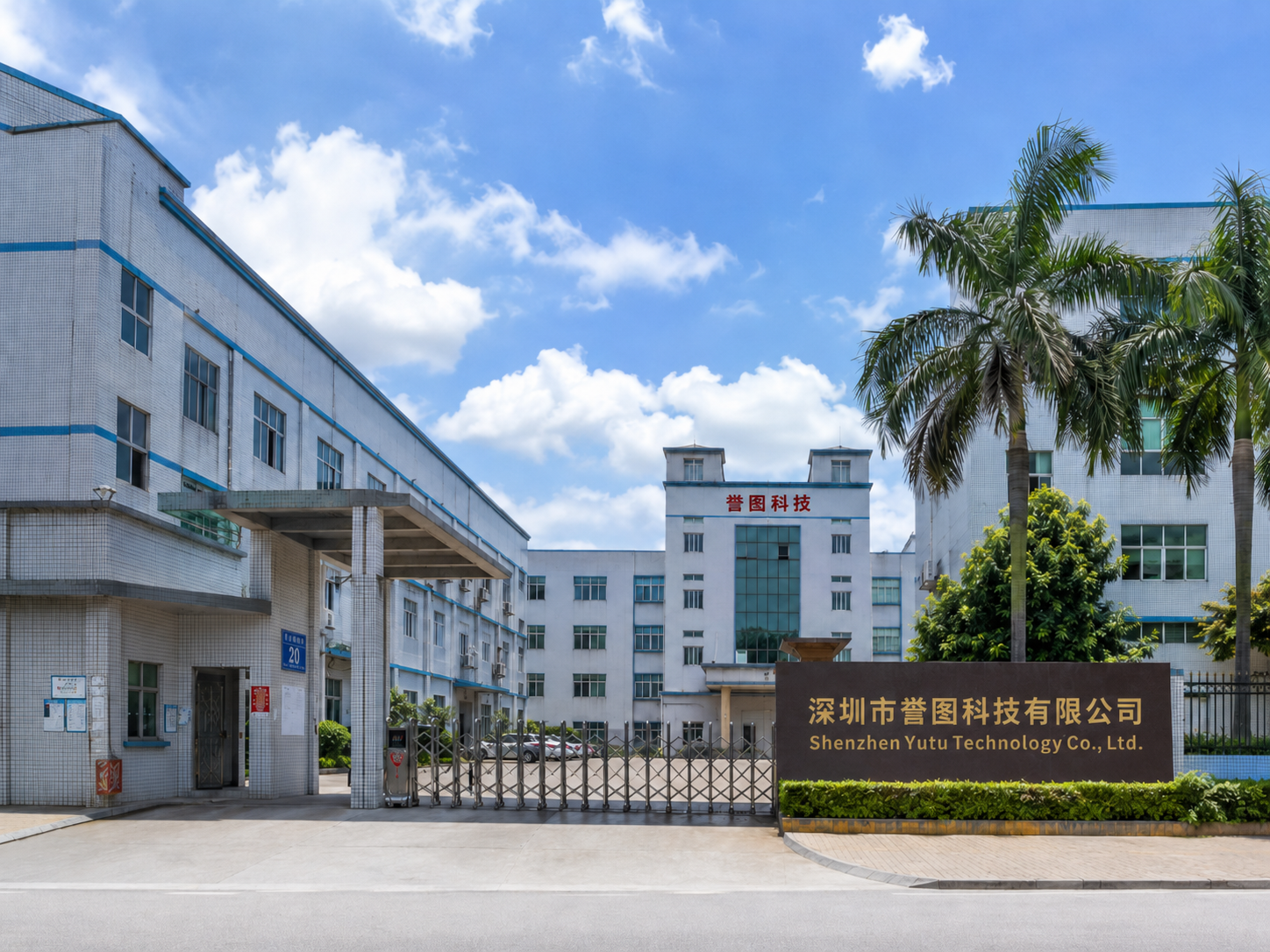
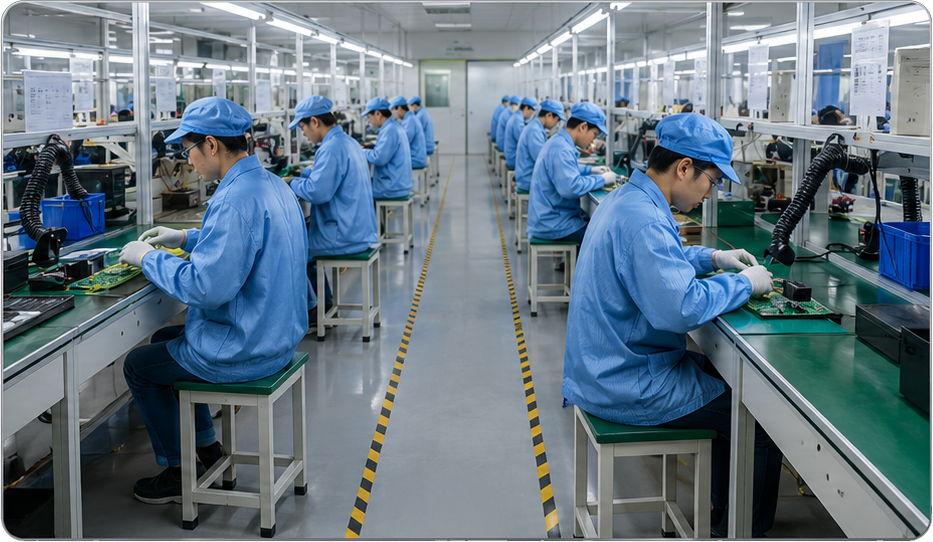
Miniaturizing an entire wearable ecosystem into an inner circumference of less than 65 millimeters requires Class 10,000 cleanroom surface-mount technology (SMT). At Shenzhen Yt Technology Co., Ltd. (YT Smart Wear), our 8 assembly lines and 2 dedicated high-speed Panasonic SMT lines assemble flexible polyimide PCBs with 0201 passive components, multi-axis optical biosensors, and power management ICs (PMIC) at sub-millimeter tolerances.
Every PCBA undergoes 3D Automated Optical Inspection (AOI) and X-ray solder joint verification before entering the vacuum resin encapsulation chamber, safeguarding component alignment against physical impact and water penetration.
4. Comparative Manufacturer Matrix: Tier 1 Direct OEM vs. Intermediaries
Procurement teams based in Seattle frequently encounter regional domestic trading brokers or unverified marketplace vendors who act as middle agents. The table below details the technical, operational, and regulatory distinctions when partnering directly with a genuine manufacturing factory:
| Evaluation Parameter | Shenzhen Yt Technology (Direct Factory) | Sourcing Agencies / Intermediaries | Generic Marketplace Vendors |
|---|---|---|---|
| Hardware & ID Customization | Full in-house CNC tooling, mold opening, CMF customization, and structural engineering. | Limited to catalog branding and packaging reprints; no tooling modifications. | Off-the-shelf standard shells only; no engineering alterations available. |
| Firmware & Algorithm Control | Custom raw PPG filtering, step calibration, Sleep HRV algorithm tuning, and BLE UUID matching. | Restricted to pre-compiled binaries; zero source-level adjustments. | Locked generic public application; no firmware modification capabilities. |
| Defect Rate & Quality Control | Controlled strictly below 5‰ across 28 multi-stage inspection checkpoints. | Variable (typically 2% to 4%); depends on secondary batch sampling. | Exceeds 5% on average; lacks standardized reliability testing. |
| U.S. Regulatory Compliance | Full documentation support for FCC Part 15C, CE-RED, RoHS, REACH, and California Prop 65. | Relies on third-party broker claims; lab test certificates frequently outdated. | Non-compliant or falsified certification declarations common. |
| Production Capacity & Lead Time | 300,000+ units monthly; 7-day standard prototypes; 35-day mass production delivery. | 45 to 60+ days due to multi-tier supplier communication delays. | Unpredictable inventory turnarounds; high risk of factory stockouts. |
| Data Sovereignty & Cloud Integration | Direct private SDK/API distribution; zero telemetry sent to unauthorized servers; AWS-ready. | Tied into shared third-party Chinese cloud servers; poses data compliance concerns. | Unsecured public servers; non-compliant with US privacy frameworks. |
Comprehensive 28-Checkpoint Quality Assurance Architecture
Because smart rings are in continuous contact with human skin 24 hours a day, mechanical and thermal reliability are non-negotiable. Our quality management framework operates under certified ISO 9001 governance across five strict inspection stages:
1. Incoming Material Inspection (IQC): Rigid testing of battery chemistry, surface passivation of titanium alloy billets, and spectral verification of optical emitter diodes.
2. In-Process Quality Control (IPQC): Real-time monitoring of PCB flex integrity, solder paste pasteometry, and curing oven temperature curves.
3. 100% Functional Testing (FQC): Every completed PCBA undergoes automated optical calibration, BLE signal attenuation testing, and current draw profiling.
4. Accelerated Reliability Stress Testing (OQC): Random batch pull testing including 48-hour sweat immersion, 1.5m drops onto concrete, and thermal thermal cycling (-20°C to 60°C).
5. Final Shipment Outgoing Inspection: Barcode verification, packaging hermetic check, and master carton drop validation before dispatch via Sea-Tac or direct ocean freight.
5. Logistical Integration: Seamless Supply Chains from Shenzhen to the Port of Seattle & Sea-Tac
Logistical predictability is critical for Pacific Northwest importers. Shipping smart hardware containing integrated lithium-ion cells requires adherence to strict international air and maritime transport protocols. A seasoned manufacturer must maintain active UN38.3 test summaries, MSDS documentation, and compliant dangerous goods packaging to avoid shipping delays.
Direct air shipments leaving Shenzhen Bao'an International Airport (SZX) or Hong Kong International (HKG) can clear customs and arrive at Seattle-Tacoma International Airport (SEA) in 4 to 6 business days via expedited air cargo partners (FedEx, UPS, DHL, or direct air freighters). For scaled retail rollouts exceeding 10,000 units, ocean freight routed directly from Yantian to the Northwest Seaport Alliance (Port of Seattle / Port of Tacoma) offers significant freight cost efficiencies with transit windows typically averaging 14 to 18 ocean days.
6. Comprehensive Seattle Importer FAQ: Technical, Legal, & Sourcing Queries
What certifications are legally mandatory to retail smart rings in Seattle, Washington?
Can we integrate your smart ring data into our own proprietary iOS/Android health app?
How does the factory manage ring sizing toolkits for consumer-facing e-commerce brands?
What is the typical Minimum Order Quantity (MOQ) and production turnaround for custom ODM projects?
How do you safeguard intellectual property (IP) and hardware schematics during collaboration?
Connect Directly with Factory Engineering Specialists
Whether you are engineering a private-label health ring for a Seattle corporate wellness rollout or seeking a qualified Tier-1 hardware partner for a consumer electronics launch, our engineering and procurement team is ready to assist.
Send an Inquiry7. Strategic Sourcing Checklist for Seattle Purchasing Directors
Before issuing your next Request for Proposal (RFP) or wiring initial tooling deposits to overseas suppliers, ensure your procurement team validates the following six operational criteria:
By conducting thorough technical vetting and partnering directly with an established engineering manufacturer, Seattle brands can minimize prototyping cycles, lower unit production costs, and bring reliable, market-ready smart wearable hardware to consumers throughout the Pacific Northwest and global markets.