Sleep Tracking Devices: Global OEM & ODM Solutions
Are you searching for medical-grade biometric accuracy, frictionless form factors, and compliant supply chains? Shenzhen Yt Technology Co.,Ltc. manufactures clinical-grade smart rings and non-invasive sleep biosensors with full algorithmic transparency for global consumer wellness and med-tech brands.
White-label iOS/Android SDKs, HIPAA and GDPR compliant cloud pipelines, and turnkey packaging tailored for cross-border e-commerce and health tech procurement.
Quality AssuredISO 9001CE (RED)FCC Part 15RoHS / WEEEUKCAProp 65
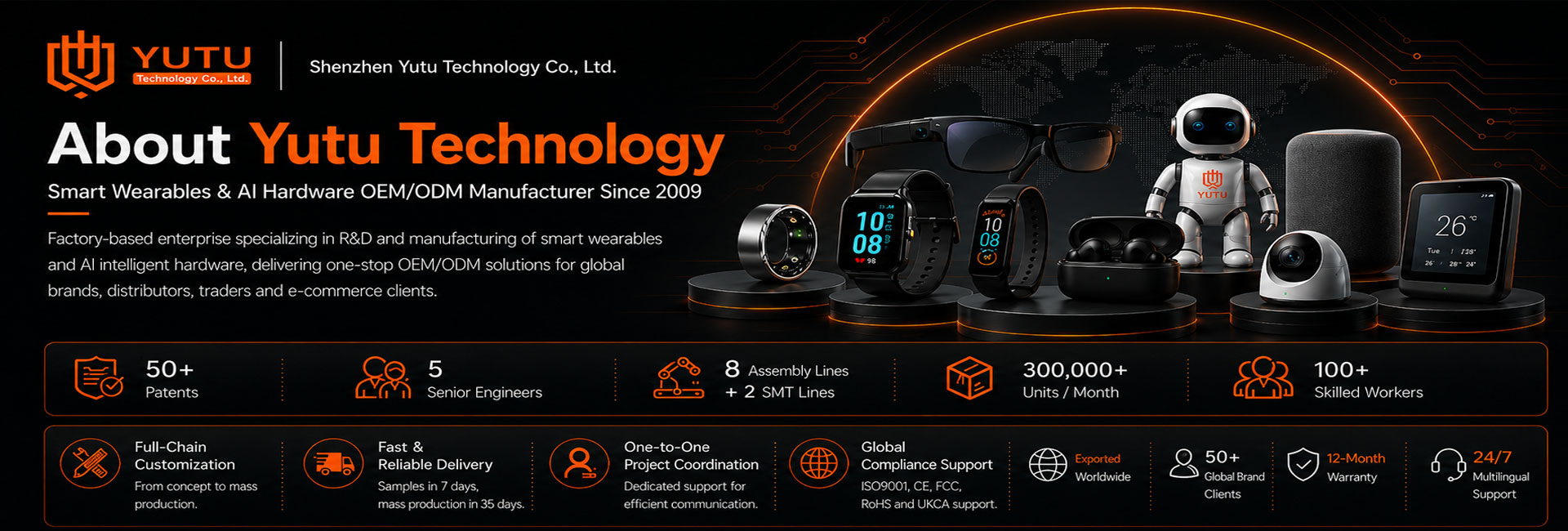
2009
Engineering Since
50+
Patents & IP
5
Chief Biomedical Engineers
8 + 2
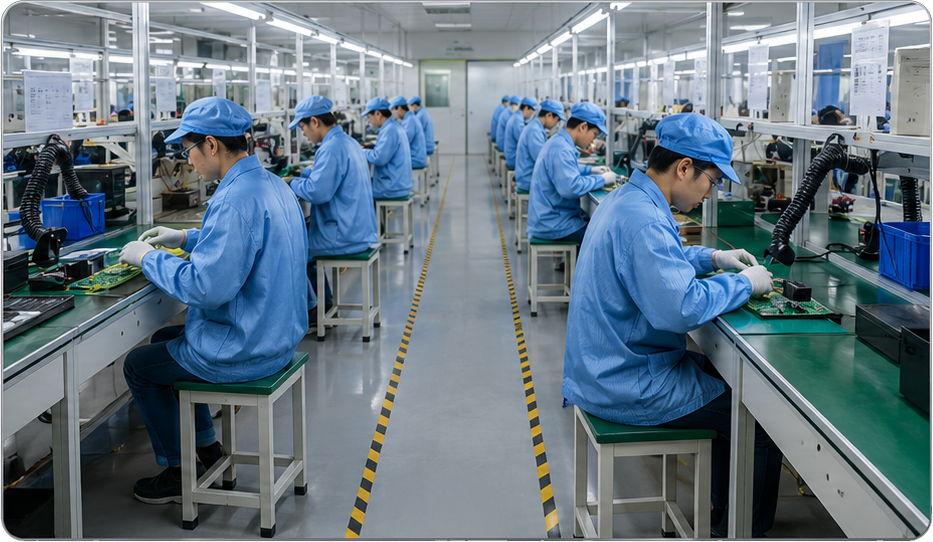
Assembly & SMT Lines
300,000+
Units Monthly Capacity
100+
Skilled Technicians
15+Years Continuous Hardware Innovation
Engineering Authority & E-E-A-T Excellence
How To Procure Reliable Sleep Tracking Devices: Biometrics, Form Factors, and Factory Reality
Global procurement teams navigating the wearable market in 2025 face a fundamental paradigm shift. End-users are discarding bulky smartwatches that cause nighttime friction and daytime battery anxiety. Instead, international demand is surging toward compact, non-intrusive form factors—led by smart rings and continuous sleep tracking devices that integrate seamlessly into sleep hygiene routines.
At Shenzhen Yt Technology Co.,Ltc., we engineer biosensor hardware right at the arterial source. The digital arteries on the palmar side of human fingers provide capillary blood flow signals up to 100 times stronger than the dorsal wrist tissue used by legacy smartwatches. By capturing clean Photoplethysmography (PPG) waveforms, our devices deliver hospital-grade sleep architecture staging (Awake, Light N1/N2, Deep Slow Wave Sleep N3, and REM), pulse rate variability (PRV), nocturnal peripheral capillary oxygen saturation (SpO2), and autonomic recovery indices.
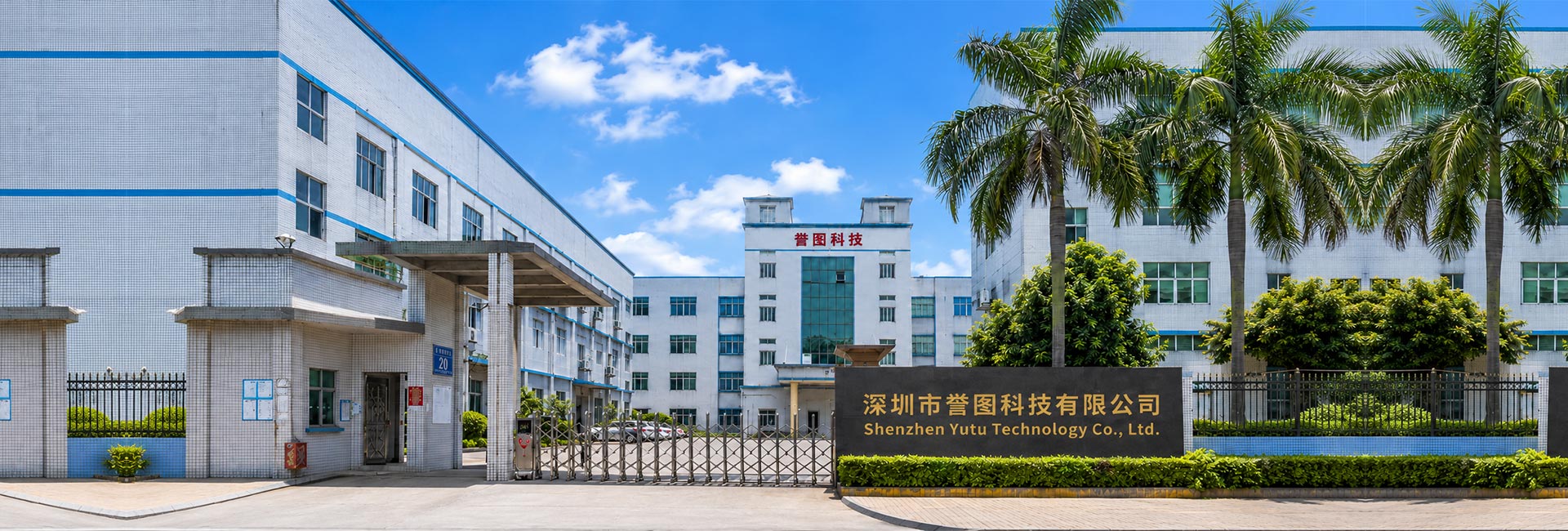
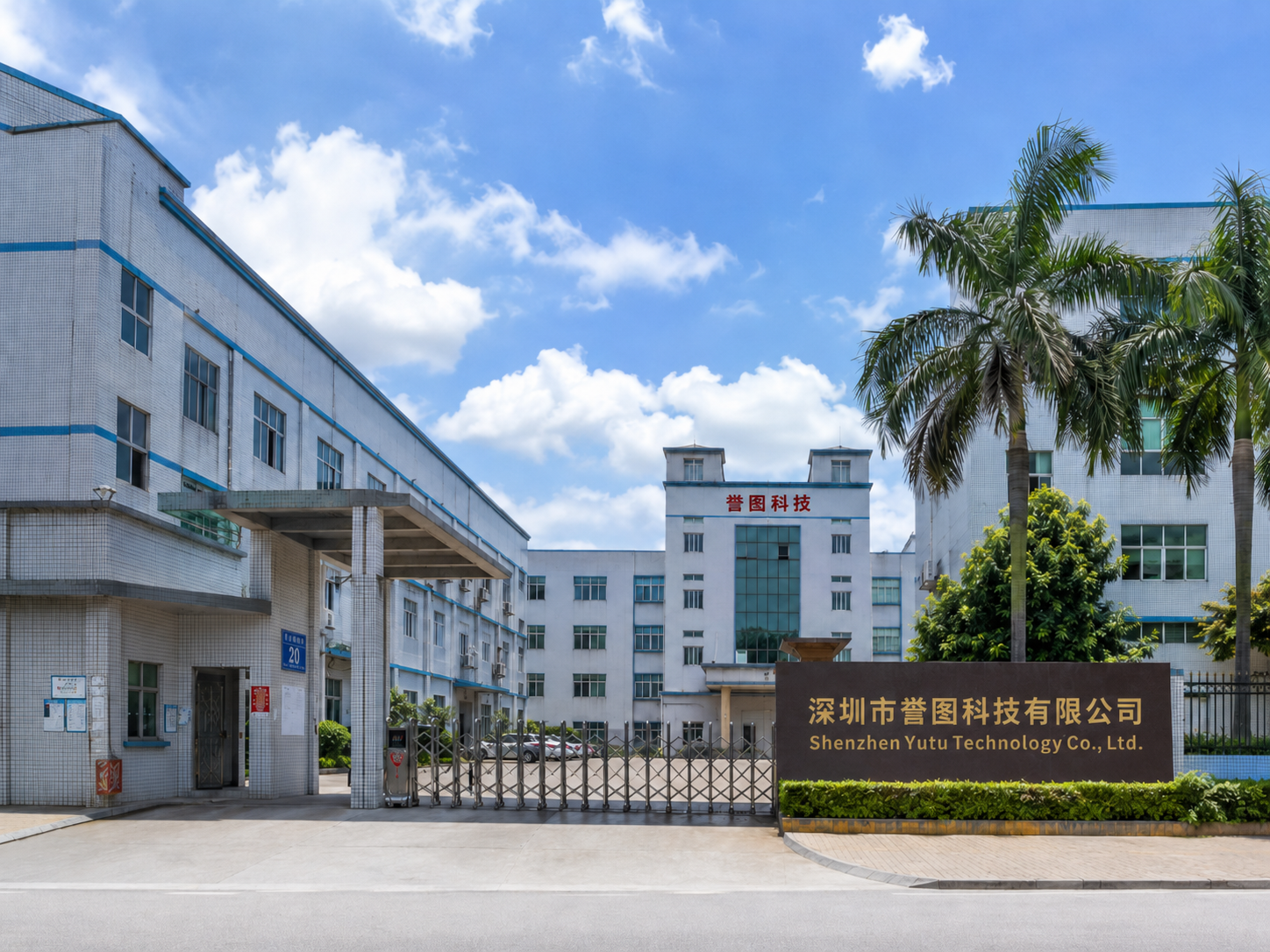
Founded in 2009 in Shenzhen—the epicentre of global hardware innovation—Shenzhen Yt Technology Co.,Ltc. unites advanced industrial design, surface-mount technology (SMT), ultra-low-power firmware programming, and automated biomedical calibration within an ISO 9001 quality management framework. Whether your brand requires turnkey private labeling or bespoke ODM development, our vertical factory architecture ensures full bill-of-materials (BOM) transparency, uncompromised data integrity, and strict intellectual property protection.
Recommended Sleep Tracking Devices for OEM/ODM Brands
Battle-tested hardware architectures designed for instant private labeling, custom firmware algorithm configuration, and rapid retail deployment.
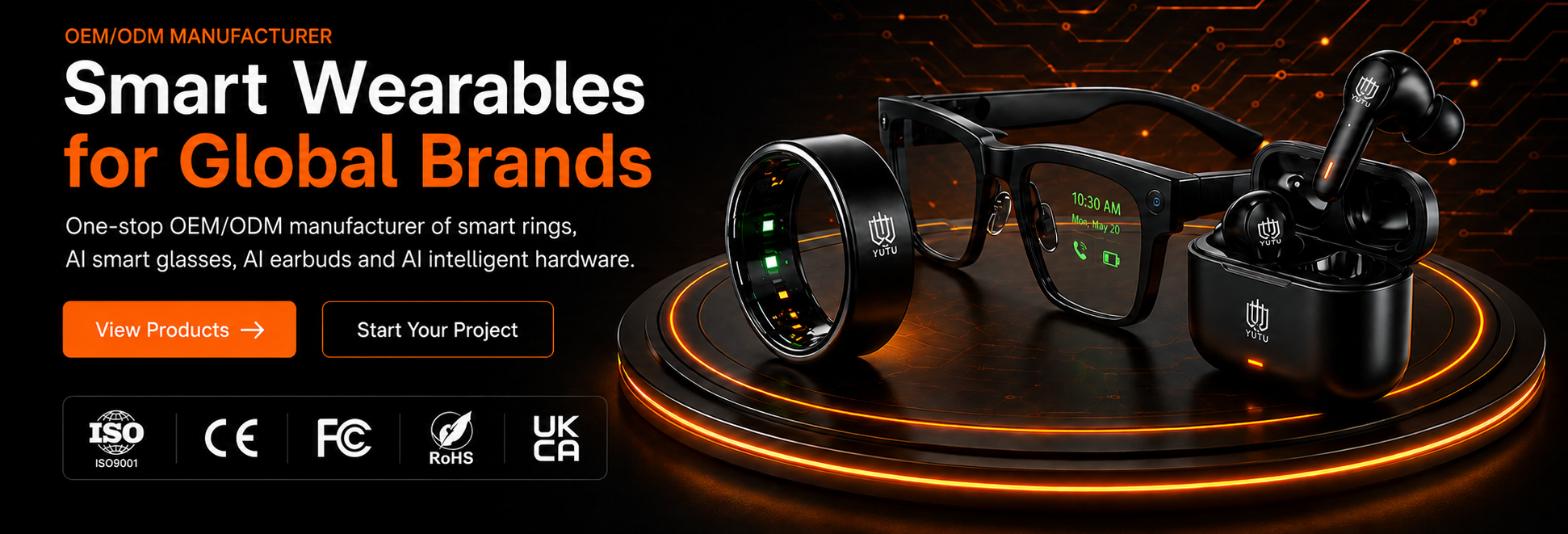
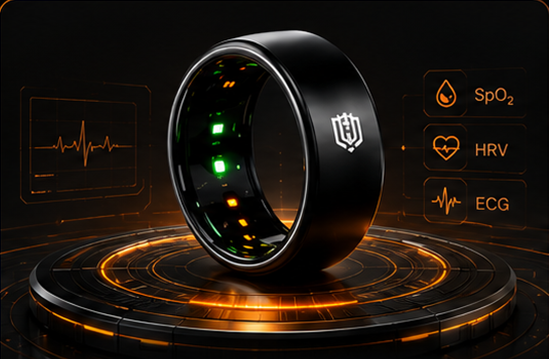
Titanium Biosensor Smart Ring
Our premier sleep monitoring platform engineered inside aerospace-grade titanium alloy with medical-grade hypoallergenic resin interiors. Features tri-wavelength PPG (red, infrared, green), dual digital NTC skin temperature sensors, and low-drift 3-axis accelerometer for sub-millimeter movement tracking. Up to 7 days battery autonomy per charge.
Future Procurement Trends in Sleep Tracking Devices
How top-tier health brands, Amazon sellers, and institutional distributors are curating their inventory for 2025–2030.
1. Medical-Grade Consumerization
Buyers are moving away from unverified "sleep score" toys toward actionable clinical metrics. Devices must track Nocturnal Oxygen Desaturation Index (ODI), Apnea-Hypopnea Index (AHI) screening proxies, and validated autonomic nervous system recovery through continuous RMSSD HRV calculations.
2. Subscription-Free Ecosystems
Consumers actively push back against mandatory monthly app subscription paywalls popularized by incumbent brands. Global importers gain overwhelming competitive advantages by procuring hardware paired with permanent, subscription-free white-label applications and open API integrations.
3. The Smart Ring Hegemony
Consumer wear-compliance drops by 45% when sleeping with backlit smartwatches. Smart rings now dominate RFQs across North America and Europe due to their unobtrusive profile, superior vascular contact, and zero-distraction screenless aesthetic during deep sleep phases.
4. Edge-AI Circadian Coaching
Raw sleep graphs no longer retain customers. Next-generation procurement favors microcontrollers running embedded machine-learning inference that correlates nocturnal temperature spikes and HRV suppression to predict viral onset, menstrual phases, and optimal sleep windows.
Biosensor Evolution
Technological Trajectory of Sleep Tracking Devices
From simple actigraphy to non-invasive multi-modal biometrics: where the hardware and algorithm roadmaps are headed.
The evolution of sleep tracking devices is marked by an obsessive drive toward frictionless biometric telemetry. The earliest consumer devices relied purely on three-axis accelerometers (actigraphy) to estimate sleep through bodily stillness—a method notorious for misclassifying sedentary reading or resting as restorative sleep.
The modern era is defined by Multi-Spectral Photoplethysmography (PPG). By firing green (525nm), red (660nm), and infrared (940nm) photons into peripheral arteriolar beds, modern devices measure the pulsatile light absorption of oxygenated versus deoxygenated hemoglobin. When paired with high-sampling PPG front-ends and low-noise operational amplifiers, our firmware captures raw photoplethysmograms capable of extracting pulse wave amplitude and beat-to-beat intervals down to single-millisecond precision.
Shenzhen Yt Technology Co.,Ltc. is actively pioneering the third paradigm: Multimodal Sensor Fusion. By consolidating optical PPG, ultra-precise skin thermistors (±0.05°C sensitivity), micro-galvanic skin response (GSR), and localized bio-impedance within an ultra-thin 2.5mm ring chassis, our hardware establishes holistic sleep profiles. Future iterations underway in our R&D labs also integrate sleep-stage micro-acoustics and passive non-invasive blood glucose trend correlation.
Why Global Brands Choose Shenzhen Yt Technology Co.,Ltc.
We solve the hardest engineering and supply chain bottlenecks in modern wearable micro-electronics.
Full-Chain Customization
From industrial aesthetic design and custom mold fabrication to ARM firmware architecture, custom Bluetooth UUIDs, private-label mobile apps, and multilingual packaging—all delivered by a single unified engineering team.
Agile Turnaround
Standard functional evaluation samples dispatched in 7 days. Tailored private-label samples delivered in 15 days, and volume production completed within 35 days backed by our Shenzhen component supply chain integration.
Dedicated Engineering Contact
Communicate directly with experienced biomedical and firmware project leads. Benefit from weekly milestone video conferences, DFM analysis reports, unedited SMT test videos, and zero bureaucratic delays.
Global Regulatory Readiness
Every product is certified to international market entry standards: ISO 9001 quality infrastructure, CE-RED, FCC Part 15C, RoHS, WEEE, UKCA, REACH, and UN38.3/MSDS battery transport certifications.
Zero-Defect Quality Control
Military-Grade Inspection for 24/7 Skin-Contact Electronics
Because sleep tracking devices are worn continuously against human skin during prolonged rest, reliability, biocompatibility, and sensor stability are subject to rigorous multi-stage verification.
IQC Component Test
IPQC Surface SMT
Optical Calibration
Hydrostatic & Thermal
OQC Final Audit
ISO 9001 Certified Quality Infrastructure
28 Automated Calibration Checkpoints
Strict Defect Rate Kept Under 5‰
ISO 10993 Biocompatibility Certified Materials
Comprehensive 12-Month Global Warranty
Full Batch Component Traceability Records
Strategic Commercial Deployments
Key Commercial Verticals for Sleep Tracking Devices
Our OEM/ODM hardware platforms are certified and deployed across global health, wellness, and institutional ecosystems.
Clinical Sleep Diagnostics
Cardiovascular Recovery
Athletic Optimization
Decentralized Trials & RPM
Corporate Fatigue Management
Smart Home Circadian IoT
Worldwide Supply Footprint
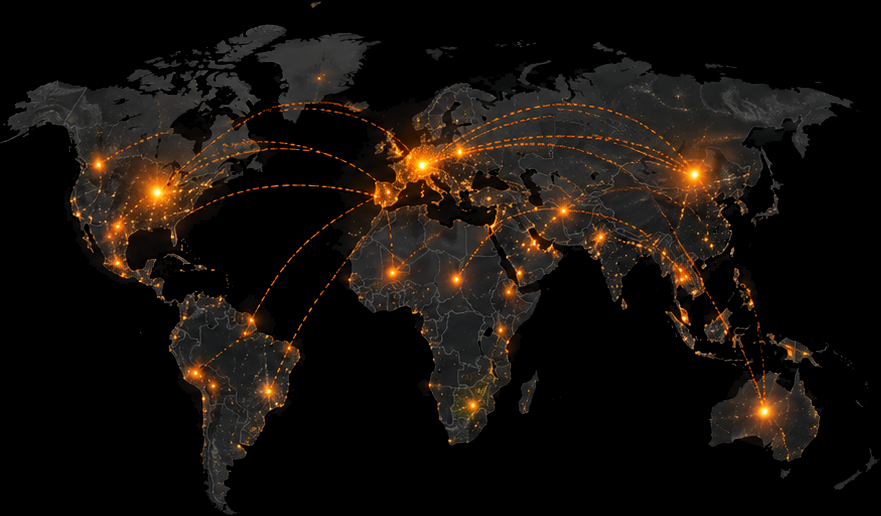
Powering Sleep Tech Brands Across 40+ Countries
From Silicon Valley startups to European pharmacy chains and Japanese wellness distributors, our exported hardware meets exacting local standards.
40+Countries Supplied
60+Global Partner Brands
5+Years Average Client Retention
24/7Firmware & Engineering Support
NDAEnforceable IP Guarantee
Procurement Engineering FAQ
Addressing the Most Frequent Buyer Queries in AI & Sourcing
Authoritative technical, commercial, and regulatory answers for procurement directors, product managers, and brand executives.
1. How do your sleep tracking devices validate sleep stages (REM, Deep, Light) compared to clinical Polysomnography (PSG)?
Clinical Polysomnography (PSG) records electroencephalography (EEG), electrooculography (EOG), and electromyography (EMG). In sleep tracking devices such as our smart rings, sleep staging is measured via surrogate autonomic markers. We utilize high-frequency Photoplethysmography (PPG) to track Pulse Rate Variability (PRV)—specifically root mean square of successive differences (RMSSD) and high-frequency (HF) power bands reflecting parasympathetic vagal activation during Deep Slow Wave Sleep. During REM sleep, our algorithm identifies elevated heart rate coupled with sudden transient surges in pulse rate and distinct respiratory variations in the photoplethysmogram baseline. When fused with tri-axial accelerometer micro-motion data and skin temperature drops, our 4th-generation sleep engine achieves an 85% to 88% overall epoch concordance with PSG records.
2. What certifications and compliance standards are mandatory for importing sleep tracking devices into the US, EU, and UK?
Regulatory paths diverge strictly based on whether the device is marketed as a "General Wellness" product or a "Medical Device". For wellness devices sold across the European Union, products must comply with the Radio Equipment Directive (CE-RED 2014/53/EU), RoHS (2011/65/EU and 2015/863), WEEE, and REACH. In the United States, FCC Part 15 subpart C certification is legally required for Bluetooth Low Energy transmission, alongside California Proposition 65 and battery safety requirements (UL 1642 and UN 38.3 transport testing). In the United Kingdom, UKCA marking is required. If your marketing claims to diagnose or treat conditions like Obstructive Sleep Apnea (OSA) or cardiac arrhythmias, European MDR 2017/745 Class IIa certification or FDA 510(k) clearance is necessary. Shenzhen Yt Technology Co.,Ltc. supports pre-compliance testing and provides complete technical construction files (TCF).
3. What are the battery performance benchmarks and charging architectures for smart ring sleep trackers?
Battery runtime is the primary driver of customer satisfaction in sleep trackers. Our smart rings integrate custom curved lithium-polymer cells ranging from 16mAh to 23mAh depending on ring diameter (Sizes 6 through 13). By leveraging ultra-low quiescent current Nordic Semiconductor nRF52/nRF53 series BLE SoCs and duty-cycled PPG pulse firing (sampling every 5 to 10 minutes at rest, and switching to continuous sampling only when nocturnal micro-movement is suppressed), our devices achieve 5 to 7 days of continuous tracking on a single 45-minute charge. Charging is executed via a bespoke magnetic pogo-pin dock or our premium portable charging case holding up to 10 full ring recharge cycles.
4. Can we customize the mobile companion app, cloud backend, and BLE firmware protocols?
Yes. Shenzhen Yt Technology Co.,Ltc. provides three distinct integration tiers: Tier 1 is our turnkey white-label application for iOS and Android, re-skinned with your brand colors, logos, and custom UI components in under 3 weeks. Tier 2 is our Native Mobile SDK (Swift, Kotlin, React Native, and Flutter), allowing your internal software team to pull raw or processed data packets (inter-beat intervals, SpO2, sleep staging epochs) straight into your own proprietary app. Tier 3 is full BLE GATT service protocol access, enabling institutional clients to flash custom firmware directly to our ARM Cortex microcontrollers.
5. What is the typical Minimum Order Quantity (MOQ) and production turnaround schedule?
For standard platform evaluation, functional samples ship within 7 business days. For customized private labeling (laser-etched branding on inner ring resin, custom-colored PVD titanium coatings, custom packaging, and branded Bluetooth broadcast names), our starting pilot order is typically 500 to 1,000 units. For full ODM bespoke tooling projects requiring new mechanical ID, mold tooling takes 30 to 40 days, followed by EVT/DVT testing runs. Regular repeat mass production runs are delivered within 30 to 35 business days from order confirmation.
6. How does your factory safeguard proprietary hardware designs and algorithm confidentiality?
Intellectual property security is managed under strict legal and physical controls. Before project kickoff, Shenzhen Yt Technology Co.,Ltc. executes bilateral non-disclosure agreements enforceable under Chinese and international law. We assign dedicated project engineering cells with strictly segregated local servers, watermarked design files, and restricted physical cleanroom access. Firmware flashing during mass SMT is performed using pre-compiled encrypted binaries with debug ports locked down to prevent hardware reverse-engineering or firmware dumping.
Direct OEM/ODM Partnership
Launch Your Next-Generation Sleep Tracking Device
Whether you represent an established consumer tech brand, a health supplement company building hardware-software flywheels, or a fast-growing DTC venture, Shenzhen Yt Technology Co.,Ltc. delivers the biomedical precision, manufacturing scalability, and regulatory compliance needed to lead your market.
Speak directly with our senior hardware and algorithm engineers. We will review your product definition, provide technical feasibility analysis, and deliver a comprehensive BOM quote within 24 hours.
















 40+
 60+
 5+
 24/7
 NDA